
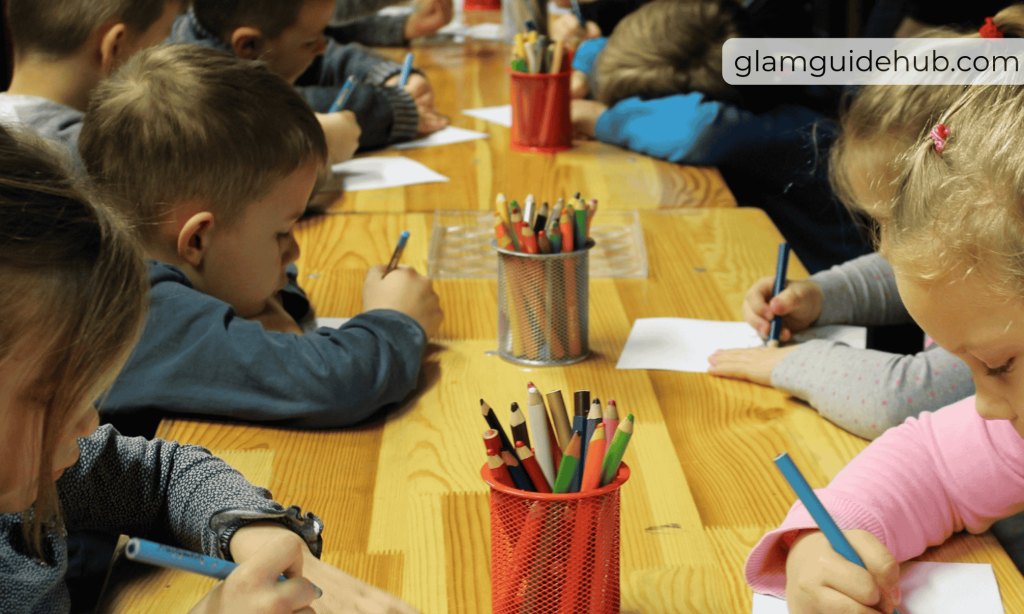
Checklist for Kindergarten Readiness
As parents, one of our biggest responsibilities is to prepare our children for the next phase of their education. The transition from preschool to Kindergarten can be an exciting, but challenging time for both parents and children. It marks a significant milestone in a child’s life and requires careful preparation to ensure they are ready to take on this new journey.

Kindergarten readiness encompasses various aspects, such as cognitive, emotional, social, and physical development. To help assess your child’s readiness for kindergarten, we have put together a checklist that covers essential areas that need attention before enrolling them into primary school.
1. Cognitive Development
Cognitive development refers to the process by which children learn to think, reason, and make sense of the world around them. It is crucial for children to have a solid foundation in cognitive skills before entering kindergarten as they will be introduced to more complex concepts and tasks. Here are some areas to consider when assessing your child’s cognitive development:
⦁ Basic Numeracy Skills: Can your child recognize numbers and count up to at least 10? Are they familiar with basic shapes and colors?
⦁ Letter Recognition: Does your child know the alphabet? Can they identify upper and lowercase letters?
⦁ Language Skills: Is your child able to communicate their needs, wants, and feelings effectively? Do they have an expanding vocabulary?
⦁ Problem-Solving Abilities: Does your child show an interest in solving puzzles and completing tasks? Can they follow simple instructions?
By observing your child’s cognitive abilities, you can identify areas of strength and weakness and work on them accordingly.
2. Emotional Development
Emotional development refers to a child’s ability to understand and manage their emotions. It is essential for children to have some emotional control before starting kindergarten as they will encounter new situations that may trigger different emotions. Here are some aspects to consider when evaluating your child’s emotional readiness:
⦁ Independence: Is your child able to do basic tasks independently, such as using the bathroom, dressing themselves, or cleaning up after themselves?
⦁ Confidence: Does your child demonstrate confidence in trying new activities? Are they comfortable in social situations?
⦁ Empathy: Can your child understand and express empathy towards others? Do they show consideration for their peers’ feelings?
It is crucial to support and encourage your child’s emotional development by providing them with a safe and nurturing environment.

3. Social Development
Social development refers to the skills and behaviors that allow children to interact effectively with their peers. It is an essential aspect of kindergarten readiness, as children will have to navigate through new social situations at school. Here are some key areas to consider:
⦁ Communication Skills: Does your child communicate clearly and effectively? Are they able to take turns during conversations?
⦁ Sharing and Cooperation: Does your child share toys, take turns, and cooperate with others?
⦁ Resilience: Is your child able to bounce back from setbacks and handle conflicts with their peers?
Encourage playdates, join parent-child groups, and enroll in preschool programs can help children improve their social skills.
4. Physical Development
Physical development refers to a child’s growth and ability to coordinate movements. It is good for children to have good physical skills before starting kindergarten, as they will be required to participate in various physical activities at school. Here are some areas to consider:
⦁ Gross Motor Skills: Can your child run, jump, climb, catch a ball, and walk up and down stairs confidently?
⦁ Fine Motor Skills: Can your child hold a pencil correctly? Are they able to use scissors?
⦁ Hand-Eye Coordination: Can your child draw basic shapes, cut along a straight line, and color within the lines?
By engaging in outdoor play and providing opportunities for fine motor activities at home, you can help improve your child’s physical skills.

5. Health and Self-Care
Lastly, it is essential to consider your child’s overall health and self-care habits before starting kindergarten. Here are some areas to pay attention to:
⦁ Physical Health: Is your child up-to-date with their vaccinations? Do they have any underlying medical conditions that may require special attention at school?
⦁ Nutrition: Does your child have a well-balanced diet? Are they able to feed themselves independently?
⦁ Self-Care: Can your child dress, brush their teeth, and wash their hands without assistance?
It is crucial to address any health or self-care concerns before starting kindergarten, to ensure your child is physically prepared for school.
Summing Up
The transition from preschool to kindergarten can be daunting, but with proper preparation, you can help ease the process for your child. By using this checklist as a guide, you can assess your child’s readiness for kindergarten and identify areas that may need extra attention. Remember, every child develops at their own pace, so celebrate their strengths and support them in areas where they may need more practice. With your love and guidance, your child will be well-equipped to take on this new chapter in their educational journey. Good luck!