

Take a look at the importance of facial features, with the nose at the center. Explore the diversity and allure of different nasal shapes in this captivating article. Identify the types of noses and their cultural significance as well as what they say about our heritage and individuality.
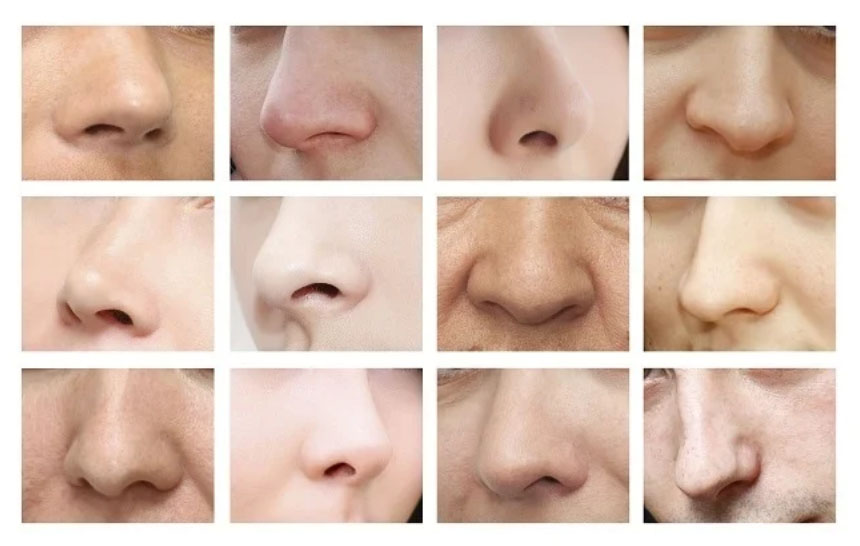
Nose Shapes by Ethnicity
Have you ever noticed that people from different ethnicities have distinct nose shapes? From the aquiline nose commonly seen in people of Greek descent to the hooked nose found in Native Americans, each ethnicity has its unique feature. It is a reflection of how our ancestors evolved and adapted to their environment.
The Aquiline Nose: The Eagle’s Beak
The term ‘aquiline’ comes from the Latin word ‘aquilinus,’ meaning ‘eagle-like’. An aquiline nose, often found in various populations across the globe, is characterized by a prominent ridge on the dorsum, giving it a hooked appearance reminiscent of an eagle’s beak. This nose shape is a mark of distinction, adding a unique edge to the face.Take a look at the importance of facial features, with the nose at the center. Explore the diversity and allure of different nasal shapes in this captivating article. Identify the types of noses and their cultural significance as well as what they say about our heritage and individuality.
The Greek Nose: Symmetry at its Best
Named after classical Greek sculptures that represented the ideal beauty standards of the time, the Greek nose is straight and narrow. As a result of its alignment with classical beauty standards, the Greek nose is regarded as a desirable nose shape due to its symmetry and absence of noticeable bumps or dents.
The Hooked Nose: A Mark of Character
A hooked nose also referred to as a hawk nose, is similar to an aquiline nose but with a more pronounced curvature. This distinctive nose shape resembles the beak of a hawk, adding a unique character to the face and making it more memorable. Explore the beauty of hooked noses and their impact on facial features. People with hooked noses are considered a symbol of character.
The Native American Nose: A Cultural Heritage
Native American noses, distinctive and varying across tribes, often have a straight bridge and wide base. This nose shape is a testament to the rich genetic heritage of Native American populations and adds a unique touch to their physical attributes.
The Pointing Nose: Elegance Defined
Pointing noses, often characterized by a slender and pointed tip, add a touch of elegance to the face. This nose shape, while not very common, gives the face a refined and sophisticated look, enhancing its overall appeal.
The Roman Nose: A Symbol of Strength
The Roman nose, named after the prominent noses of Roman sculptures, is characterized by a high, prominent bridge and a slightly downward curve at the tip. This nose shape, often associated with strength and assertiveness, adds a bold touch to the face.
When it comes to noses, there’s no ‘one-size-fits-all .’Each nose shape, with its unique attributes, adds its character to the face, telling a story of our genetic heritage and individuality. So, whether you’ve got a Greek nose or a hooked one, remember, it’s more than just a breathing organ; it’s a marker of your uniqueness. Embrace it, and let your nose be a defining feature of your identity! So, next time you look in the mirror, appreciate your nose for all its quirks and qualities. After all, it’s what makes you uniquely you. Don’t let society’s narrow beauty standards dictate how you see yourself; instead, celebrate and embrace the diversity of nose shapes that exist in the world.
Different Types of Nose Rings for Every Personality
Nose rings, a form of body jewelry, have been around for centuries and are often associated with cultural and religious traditions. However, they have also gained popularity as a fashion statement in recent years. With different nose shapes come various nose ring styles to complement them. Here are some popular types of nose rings for every personality:
⦁ The classic stud: This is a simple, elegant option that suits most nose shapes, from aquiline to fleshy. It can be adorned with small gemstones or plain metal for a more subtle look.
⦁ The hoop: Hoop nose rings are circular and come in various sizes and thicknesses. They add a bohemian and edgy touch to any look and are popular among those with a Greek or pointed nose shape.
⦁ The septum ring: A unique choice, the septum ring is placed in the middle of the nose, just above the upper lip. It can range from simple hoops to more intricate designs, making it a versatile option for all nose shapes.
⦁ The captive bead ring: This type of nose ring features a small bead that is held in place by a circular metal piece. It gives off an edgy and rebellious vibe, making it popular among those with hooked or Roman nose shapes.
⦁ The L-shaped stud: As its name suggests, this nose ring resembles the letter L and is placed inside the nostril. It’s a discreet option that can be worn by anyone, regardless of their nose shape.
⦁ The nostril screw: This type of nose ring is shaped like a small hook and curves into the nostril. It’s a popular choice among those with Native American nose shapes and adds a touch of elegance to any look.
If you’re considering a nose ring, it’s important to choose a style that suits your nose shape and size. Nose rings can add a unique touch to your appearance and express your personality. Experiment with different styles to find the perfect one for you. Flaunt your nose ring confidently, knowing it complements your nose shape. No matter what type of nose ring you choose, it’s a beautiful addition to your look. Embrace your unique nose shape and rock different types of nose rings. Whether you have an aquiline nose, a fleshy one, or something in between, there’s a nose ring out there for you. Consult a professional piercer for sizing and aftercare tips. Happy piercing!
Rhinoplasty: Enhance Your Nose and Enhance Your Looks
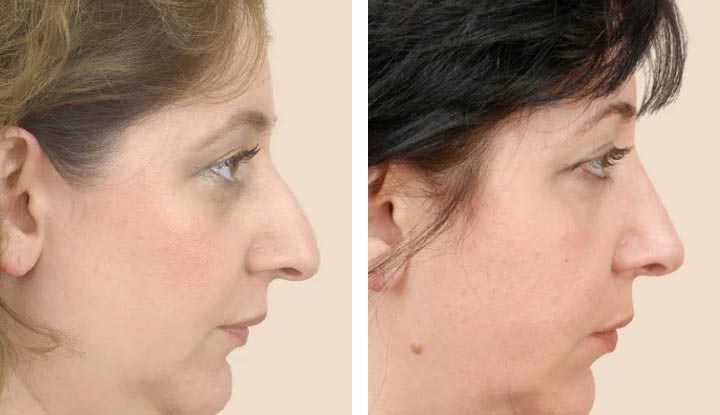
Rhinoplasty, commonly known as a nose job, is a surgical procedure that can significantly alter the shape and size of your nose. Additionally, it can correct functional issues, such as breathing difficulties, as well as cosmetic ones. Whether you have an aquiline, Greek, hooked, Native American, or a pointing nose, rhinoplasty can be tailored to suit your needs and aesthetic preferences.
The surgeon reshapes the nose by altering the bone, cartilage, or both, creating a natural and harmonious appearance that can enhance your overall facial symmetry. For instance, an overly fleshy nose can be made smaller and more defined, while a Roman nose shape can be straightened, softening its pronounced bridge.
Remember, the goal of rhinoplasty is not to strive for a so-called ‘perfect’ nose but rather to achieve a nose shape that best complements your unique facial features. If you are considering rhinoplasty, it’s crucial to consult with an experienced surgeon who can guide you through the process and ensure a result that aligns with your expectations. It’s also important to note that post-surgery, wearing nose rings may be temporarily restricted during the healing process. But once healed, you can continue to express your style with different types of nose rings that accentuate your newly shaped nose.
Nose Abnormalities: Understanding the Various Types and Causes
Like the diverse nose shapes that span across ethnicities, various nose abnormalities can affect an individual’s appearance or function. A deviated septum, where the thin wall between your nasal passages is displaced to one side, can cause breathing difficulties. Nasal polyps are another common issue; these small, benign growths inside the nasal passages can cause congestion or a runny nose.
Some people may have a bulbous or rounded nasal tip, a feature often associated with a fleshy nose and can be a result of thick skin, poor tip support, or a combination of both. Another abnormality is a saddle nose, which is characterized by a flat or hollow bridge, giving the nose a ‘scoop’ shape from the side view.
Congenital disorders that affect the upper lip and roof of the mouth can extend to the nose, causing asymmetry and functional problems. Lastly, a crooked nose, which can be a result of injury or genetics, is characterized by a nose that doesn’t follow a straight, vertical line down the centre of the face.
It’s important to remember that these abnormalities, while they may look different, are common and can often be addressed through rhinoplasty if desired. However, it’s key to consult with a professional to discuss any risks, complications, or alterations to your ability to wear nose rings post-surgery.