
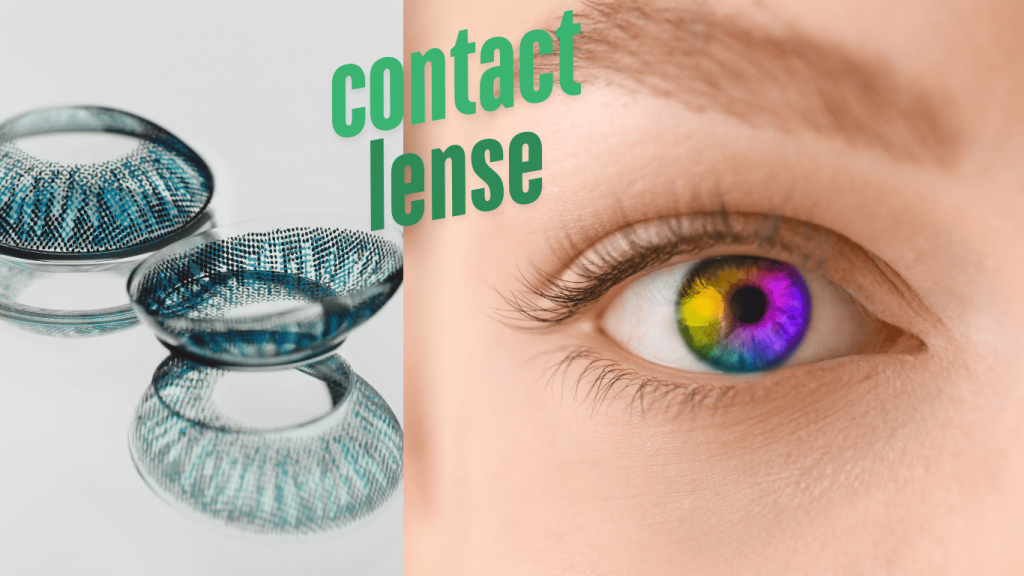
Introduction
Have you ever wondered what you would look like with a different eye color? Colored contact lenses have become a popular accessory for individuals looking to enhance or change their eye color. Whether for cosmetic appeal, vision correction, or special effects, these lenses offer a versatile way to modify one’s appearance. However, while they can be a fun and exciting addition to personal style, it’s essential to understand the different types available, their benefits, potential risks, and proper usage to ensure eye health and safety.
Understanding Colored Contact Lenses
Colored contact lenses are designed to alter the color of the iris, either enhancing natural tones or creating a completely new look. Unlike regular contact lenses, which are transparent and serve only a corrective function, colored lenses incorporate tints that impact the overall eye color. There are three main types of colored contact lenses:
- Enhancement Tint – These lenses are slightly tinted and are designed to enhance the wearer’s natural eye color, rather than completely change it. They work best for individuals with lighter eye colors who want a more defined and intensified shade.
- Opaque Tint – These lenses have a solid color that completely covers the natural iris, allowing for a dramatic transformation. They are ideal for people with dark eyes who want to change their eye color entirely.
- Visibility Tint – These lenses have a light blue or green tint that does not change eye color, but makes it easier to handle and insert the lenses.
Additionally, colored contact lenses can be available with or without prescription power. Prescription colored lenses correct vision while also changing eye color, whereas non-prescription lenses are purely cosmetic.
Why People Wear Colored Contact Lenses

There are several reasons why individuals opt for colored contact lenses, including:
- Cosmetic Appeal – Many people choose colored lenses to enhance or alter their natural eye color for aesthetic purposes. They can be used daily or for special occasions, such as weddings, parties, or photo-shoots.
- Corrective Function – Some colored contact lenses are designed for vision correction, while simultaneously enhancing or changing the eye color. These lenses offer a dual benefit, particularly for individuals who require prescription lenses.
- Special Effects – Fantasy and theatrical lenses are used in movies, cosplay, and Halloween costumes. These lenses can create striking effects, such as cat eyes, white-out eyes, or other artistic designs.
- Medical Use – Some lenses are prescribed for medical conditions, such as light sensitivity, eye disfigurements, or to help with color blindness.
Choosing the Right Colored Contact Lenses
Selecting the right colored contact lenses depends on several factors, including natural eye color, skin tone, and personal style preferences.
- For Light Eyes – Enhancement tints can intensify the natural color, making blue or green eyes more vibrant. Opaque lenses can create a striking transformation, such as changing blue eyes to brown or hazel.
- For Dark Eyes – Opaque lenses work best for individuals with brown or black eyes, as they provide full coverage for a complete color change.
- For Different Skin Tones – Warm skin tones often pair well with honey, hazel, or warm brown lenses, while cooler skin tones can complement blue, gray, or green lenses.
- For Different Occasions – Subtle colors work best for daily wear, while vibrant or unnatural hues are ideal for themed events, costumes, or dramatic makeup looks.
Safety and Risks of Colored Contact Lenses

While colored contact lenses can be a fun way to experiment with appearance, they come with certain risks if not used properly.
- Buying from Reputable Sources – Always purchase lenses from licensed sellers or with a prescription from an eye care professional. Unregulated lenses sold online or in costume shops may pose serious health risks.
- Risk of Infections – Poor hygiene, improper storage, or sharing lenses can lead to bacterial infections, corneal damage, or even vision loss.
- Discomfort and Dryness – Some colored lenses may reduce oxygen flow to the eyes, leading to discomfort, dryness, or redness.
- Allergic Reactions – Some users may experience irritation due to the dyes and materials used in the lenses.
Tips for Wearing and Maintaining Colored Contact Lenses
To ensure a safe and comfortable experience with colored contact lenses, follow these guidelines:
- Proper Handling – Wash hands thoroughly before touching lenses. Always insert and remove them with clean, dry fingers.
- Avoid Sleeping in Lenses – Unless prescribed by an eye doctor, never sleep in colored contacts, as this increases the risk of infections.
- Never Share Lenses – Sharing lenses can spread bacteria and eye infections. Each pair is designed for individual use only.
- Follow Cleaning Instructions – Use the recommended contact lens solution to clean and store lenses. Avoid using water or saliva, as they contain harmful bacteria.
- Replace Lenses as Directed – Follow the recommended schedule for replacing lenses (daily, bi-weekly, or monthly) to avoid eye complications.
- Regular Eye Check-ups – If you wear colored contact lenses frequently, have regular eye check-ups with an eye care professional to monitor eye health.
Popular Brands and Trends in Colored Contact Lenses

Several brands are known for producing high-quality colored contact lenses that prioritize both aesthetics and eye health. Some of the leading brands include:
- FreshLook ColorBlends – Offers a wide range of natural-looking shades suitable for daily wear.
- Air Optix Colors – Known for comfort and breathability, these lenses provide a more natural color transition.
- Solotica – Popular for its realistic colors, often used by celebrities and influencers.
- Desio – Provides luxury colored lenses with unique shades designed for different skin tones.
Current Trends:
- Natural Tones – Subtle and realistic colors that enhance natural eye hues.
- Celebrity-Inspired Colors – Shades made famous by actors, influencers, and models.
- Fantasy and Special Effects Lenses – Used for cosplay, Halloween, and theatrical performances.
- UV and Glow-in-the-Dark Lenses – Fun and trendy options for parties and night events.
Wrapping it up
Colored contact lenses offer a creative and fashionable way to enhance one’s appearance, correct vision, or add dramatic effects to costumes. However, ensuring proper care, hygiene, and purchasing from reputable sources is crucial to avoid potential risks. By following best practices for wearing and maintaining lenses, individuals can enjoy their colored contacts safely and comfortably. For those interested in trying them, consulting with an eye care professional is always the best first step toward a safe and stylish experience.