

Are you a nature lover who prefers organic and natural products over artificial and chemical-infused products? Lemon leaves, undervalued treasures of the lemon tree, have exceptional history, health benefits, and countless uses in the kitchen and beyond. Let’s explore the benefits of this hidden treasure of nature.
Lemon Leaves: Overview and History
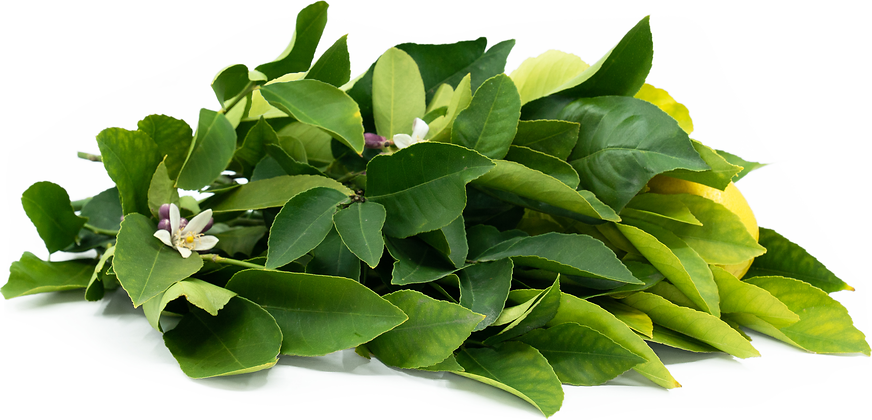
Lemon Leaves are native to Asia but grown in many countries worldwide due to their rich background and useful properties. They are greenish, aromatic plants with a glossy surface and many uses.
Traditionally, lemon trees symbolized purification and love in ancient Mediterranean civilizations. In many ancient civilizations, lemon leaves were considered sacred and widely used in medicine, culinary, and rituals
The Health Benefits of Lemon Leaves
Lemon leaves contain various beneficial properties that make them precious and inevitable to a healthy lifestyle. As these leaves are filled with essential oils, flavonoids, and antioxidants, Their properties are unbelievably unlimited.
- Rich in Antioxidants: With their extraordinary benefits, lemon leaves boost immunity, reduce stress, and minimize cell damage. Antioxidants are also linked to strengthening the immune system.
- Cultivates Relaxation: If you want a peaceful sleep, adding some lemon leaves to tea can do wonders. Their fragrant aroma is a bonus known to soothe tension and promote relaxation.
- Anti-inflammatory Effects: Lemon leaves contain anti-inflammatory properties known for their power to soothe pains and cramps, mild headaches, and muscle pains.
- Digestive Aid: Lemon leaves are known for their digestive aid properties. They can reduce bloating, improve digestion, and relieve stomach aches.
- Antibacterial Properties: Lemon leaves possess natural antibacterial properties, benefiting holistic wellness and reducing bacterial infections.
For optimal health benefits, lemon leaves are often brewed into teas, added to infusions, or used as aromatherapy aids.
Culinary Uses of Lemon Leaves
Lemon leave have been used in culinary for centuries to add citrus flavor to many dishes. Here are some uses of lemon leave in the kitchen:
- Flavor Enhancer: Lemon leaves can infuse savory and sweet dishes with their delicate fragrance. They’re usually added to broths, soups, and sauces for a hint of citrus and spicy flavor.
- Grilling Wraps: Lemon leave are often used as wraps for fish, chicken, or vegetables before grilling. The leaves give a mild, fresh, lemony essence and flavor to your food.
- Dessert Garnish: Infuse cakes, custards, and ice creams with the citrusy aroma by adding lemon leave in milk or cream during preparation. It may sound strange, but give it a try. You will love it.
- Tea Brewing: When creating a refreshing beverage with calming properties, lemon leave offer excellent tea brewing. For an extra boost, pair them with lemon verbena leaves or mint for added flavor.
Pro-tip for culinary explorers—if you’re using LemonemLemonaves from your garden, ensure they’re free from pesticides and wash them thoroughly.
Lemon Leaves in Traditional Medicine
Lemon leave have been used for many years in many herbalist communities, indigenous families, and homemade remedies.
- Fever Reduction: Lemon leaf infusions were traditionally used as a natural remedy for fevers.
- Calming Effects: Folk medicine practitioners and wise men of the countryside have recommended lemon leaf teas for calming the mind and body.
- Wound Healing: Crushed lemon leave were occasionally applied to minor wounds to boost healing due to their potential antibacterial properties.
These applications are rooted in tradition, not modern science. Therefore, consult a healthcare professional if you rely on lemon leaves for medicinal purposes.
How to Grow Lemon Leaves at Home
Gardening enthusiasts, be happy! Growing lemon trees at home isn’t just rewarding—it’s relatively simple. Here’s how to grow your source of lemon leave:
- Choose the Right Variety: If your primary goal is harvesting lemon leave, opt for an evergreen variety like Meyer or Lisbon.
- Sunlight: Lemon trees thrive in full sun. Ensure your plant receives 6 to 8 hours of sunlight daily.
- Watering: Keep the soil consistently moist, but not waterlogged. Use well-draining soil to prevent root rot.
- Fertilization: Citrus plants require nutrient-rich soil. Fertilize them seasonally with a balanced citrus blend to support leaf growth.
- Pruning: Trim regularly to promote healthy growth and harvest leaves for your needs.
Growing a lemon tree gives your garden an appealing look and provides you with important ingredients in case of a home remedy.
Lemon Leaves in Aromatherapy
The soothing and revitalizing properties of lemons leave are gaining recognition in aromatherapy. Their essential oils contain uplifting citrus notes that are both energizing and calming. Here’s how they’re used:
- Essential Oils: Lemon leaf essential oil is diffused to create a refreshing ambiance that reduces stress and increases mental clarity.
- Potpourri Enhancer: Lemon leave add fragrance to homemade potpourri mixes.
- Homemade Aromatherapy Products: You can incorporate lemon leave subtle scents into personalized wellness routines, from candles to bath oils.
Lemon leaves pair exceptionally well with other citrusy elements like orange or lime in aromatherapy blends.
Fun Facts and Trivia about Lemon Leaves
- Lemon leaves are often confused with lemon verbena leaves! While both offer citrusy aromLemonemLemonrbena leaves are thin, elongated, and fragrant.
- Their glossy green surface makes lemonade a favorite for crafting wreaths and natural decor.
- Some cultures use frLemonemLemonaves for spiritual purification rituals to ward off negativity.
- Lemon leave were historically tucked into bedding to provide a fresh and energizing scent.
Conclusion – The Versatility of Lemon Leaves
Around the world, lemon leaves are used in gardens, kitchens, wellness practices, and cultural traditions. The best things in life often go unnoticed, whether you’re sipping lemon leaf tea, wrapping fish in their aromatic folds, or aromatherapy.
Let’s see how these leaves can enhance your daily life! Lemon leaves can be used in various ways, from growing your lemon tree to adding them to your cooking or wellness rituals.
Do you have any tips or experiences with lemon leave? Share your stories in the comments below—we’d love to hear how you use this citrusy gem!