
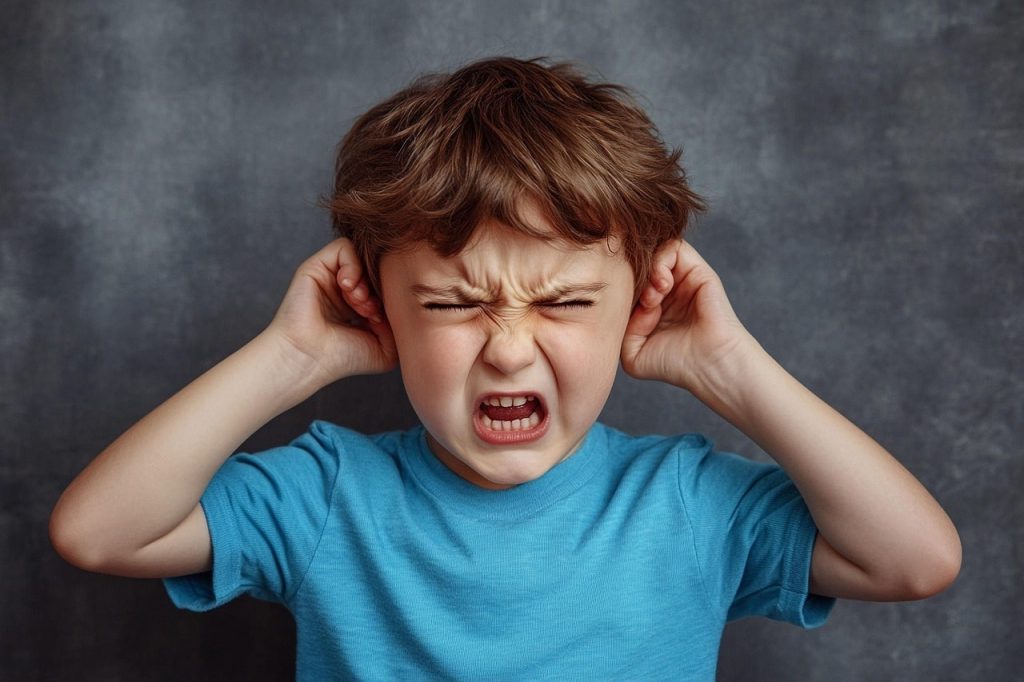

Introduction: Why We Need to Stop Yelling
At some point, everyone has raised their voice—whether at a child who won’t listen, a partner during an argument, or even while stuck in traffic. While yelling might feel like the fastest way to be heard, research shows it often does the opposite: it shuts people down, creates resentment, and damages relationships.
For parents, yelling can leave lasting emotional scars on children. For couples, it builds walls instead of bridges. In workplaces, it fosters fear instead of productivity. The good news? You can stop yelling without losing your authority, respect, or ability to express frustration.
This article explores why yelling happens, the damage it causes, and proven strategies to stop yelling in daily life, supported by real-life examples from families, marriages, and workplaces.
Why Do We Yell? Understanding the Triggers
Before we can stop yelling, we need to understand why it happens.
- Stress & Overwhelm
Many people yell when they feel overwhelmed. A parent juggling work, bills, and household chores may lose patience quickly when their child refuses to do homework. Real-Life Example: Sarah, a working mom in Chicago, admitted she yelled almost daily at her 8-year-old. “I was exhausted, and yelling was my default reaction. It wasn’t until my daughter said, ‘Mom, you scare me,’ that I realized I needed to change.” - Feeling Ignored
People often raise their voices when they feel unheard. If a partner or coworker doesn’t respond, yelling can seem like the only way to get attention. - Learned Behavior
Many grew up in homes where yelling was normal. If you were raised by parents who yelled, chances are you may repeat that pattern without realizing it.
The Hidden Damage of Yelling
Yelling might feel like release in the moment, but its consequences are long-lasting.
- For Children:
Studies show children who are frequently yelled at develop higher anxiety levels, lower self-esteem, and more behavioral issues. They may comply out of fear, but they don’t learn self-control or respect. - For Relationships:
Yelling doesn’t resolve conflict. Instead, it escalates tension and makes healthy communication impossible. Many couples find themselves yelling more and listening less, leading to resentment. - For Workplaces:
In professional settings, yelling creates toxic environments. Employees who are yelled at report lower morale, decreased productivity, and higher turnover.
Real-Life Example: In a New York office, a manager known for shouting saw three top employees quit within a year. When HR intervened and the manager learned new communication skills, turnover dropped by half.
Why Stopping Yelling Matters
Why stopping yelling matters? Stopping yelling isn’t about being passive—it’s about replacing loud reactions with effective communication. When you stay calm, people listen better, feel respected, and are more likely to cooperate.
Think of it this way: yelling controls through fear; calm communication influences through respect.
How to Stop Yelling: Practical Strategies
1. Recognize Your Triggers, Yelling Journal
Awareness is the first step. Notice the situations that make you yell. Is it mornings when everyone is late? Homework time? Deadlines at work?
Tip: Keep a “yelling journal” for a week. Write down when you yell, what triggered it, and how you felt afterward. Patterns will emerge.
2. Pause Before Reacting
The “pause button” is powerful. When you feel your voice rising, take a deep breath, count to five, or walk away for a moment.
Real-Life Example: Mark, a father in California, started clenching his fist in his pocket whenever he wanted to yell. That physical cue reminded him to calm down before speaking.
3. Lower Your Voice to Gain Control
Ironically, speaking softly often gets more attention than yelling. People instinctively lean in when someone speaks quietly.
Pro Tip: Next time your child ignores you, whisper their name instead of shouting it. You’ll be surprised at how quickly they respond.
4. Use “I” Statements
Yelling usually focuses on blaming: “You never listen!” Instead, reframe with calm “I” statements: “I feel frustrated when the chores aren’t done.” This shifts the tone from attack to explanation.
5. Practice Empathy
Ask yourself: “If I were on the receiving end, how would I feel?” This mental shift helps reduce anger and builds compassion.
Real-Life Example: A teacher in Texas who once yelled at students started imagining how she would feel if her boss screamed at her. That empathy changed her approach entirely.
6. Take Care of Your Stress
Sometimes yelling is less about the person in front of you and more about what’s happening inside. Exercise, meditation, and enough sleep help regulate emotions and reduce the urge to yell.
7. Set Clear Expectations
Many times yelling happens because of repeated behaviors. Setting clear rules and consequences in advance prevents the need to raise your voice.
8. Apologize and Repair
If you do yell, don’t ignore it. Apologize. Admitting mistakes teaches children and adults that growth matters more than perfection.
Example: “I’m sorry I yelled. I was frustrated, but I shouldn’t have raised my voice. Let’s try again.”
Teaching Kids Without Yelling
For parents, discipline without yelling can feel impossible—but it isn’t.
- Use Time-Ins Instead of Time-Outs: Sit with your child and explain why their behavior is a problem.
- Positive Reinforcement: Reward good behavior instead of only punishing bad behavior.
- Consistency: Follow through on consequences calmly and fairly.
Real-Life Example: Jenny, a mom in Florida, replaced yelling with a simple phrase: “Try again.” Instead of shouting when her son spilled milk, she calmly asked him to clean it up. Over time, he became more responsible—without fear.
Couples: Replacing Yelling with Connection
Arguments in relationships often escalate into shouting matches. To stop:
- Call a Time-Out: Agree to pause arguments when voices rise.
- Active Listening: Repeat back what your partner said before responding.
- Focus on Solutions: Instead of yelling about dishes, ask: “What system can we use to make this easier?”
At Work: The Professional Approach
Leaders who yell lose respect. Instead:
- Hold Private Conversations: Correct mistakes in private, not in front of others.
- Model Calmness: Employees mirror your tone. Calm leadership fosters calm teams.
- Offer Constructive Feedback: Replace “Why did you mess this up?!” with “Let’s walk through what happened and how to fix it.”
Real-Life Transformation Stories
- Parenting: After joining a “positive parenting” workshop, Laura from Ohio stopped yelling at her 6-year-old. Within months, she saw fewer tantrums and more cooperation.
- Marriage: David and Emily, a couple from Denver, used to yell during every disagreement. After therapy, they learned “soft startups”—beginning tough conversations with kindness. Their fights decreased dramatically.
- Workplace: A restaurant manager in Boston, once infamous for shouting in the kitchen, learned stress management techniques. Employee retention improved, and so did customer reviews.
Conclusion: Breaking the Cycle
Stopping yelling isn’t about silencing yourself—it’s about finding your power in calm communication. Whether you’re a parent, a partner, or a professional, your words carry more weight when spoken with respect and clarity.
Yelling might win a battle in the moment, but calmness wins the war of relationships. When you stop yelling, you don’t just improve communication—you build trust, respect, and peace in your home, your relationships, and your workplace.
So the next time you feel your voice rising, pause. Breathe. Speak with intention. Your words will reach further
👉