
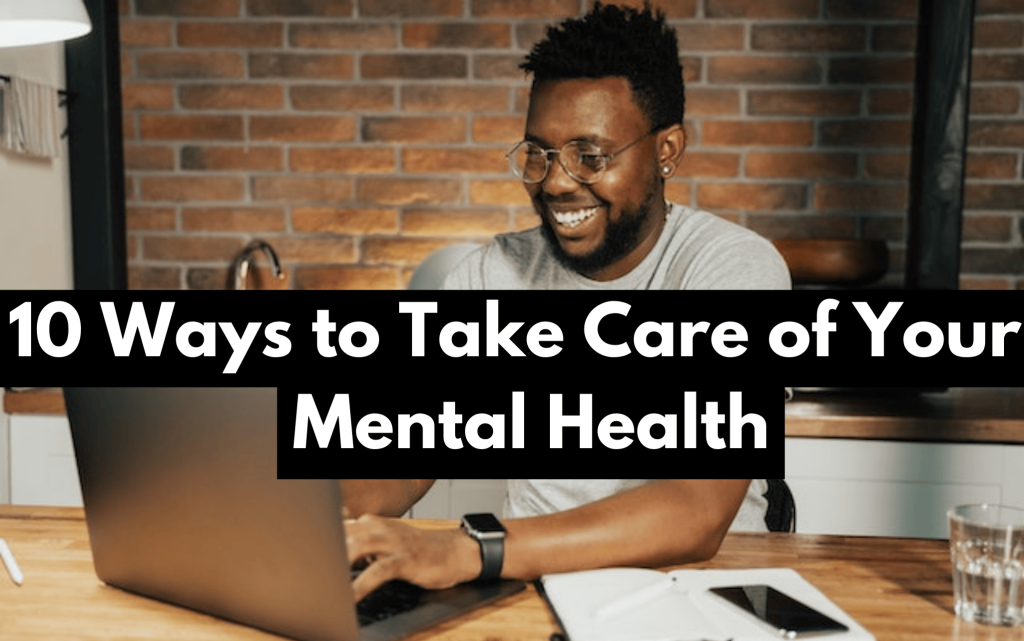
Our mental health is as crucial as our physical health, but is often is left behind in our everyday hustle and bustle. Whether you are a student focusing on exams, a working professional under pressure with deadlines, or a parent dedicated to their family, your mental health plays an important part in leading a balanced and fulfilling life. Mental health isn’t just about the absence of illness, but rather feeling content, resilient, and in control of your emotional state.
Here are 10 practical tips for making your mental health a priority and maintaining it over the long-term.
Prioritize Self-Care

Dedicate time to yourself — this is key to good mental health. Taking care of yourself is not selfish; doing so helps you recharge and better handle whatever life throws your way.
Self-care can look like a lot of different things, such as:
Performing a skin-care regimen or taking a hot bath.
Read a book, write in your journal, or just chill out with a cup of tea.
Pausing to reflect and to give thanks, even for just five minutes a day.
Just a reminder, it’s okay to stop and take care of yourself. Even small acts of self-care can make a big difference.
Establish Healthy Boundaries

Healthy boundaries safeguard your peace and stop you from burning out. They tell you what you’re comfortable with, and express your boundaries in a way that’s respectful.
How to set boundaries:
Learn to decline requests that leave you exhausted.
Be clear with family, friends and coworkers about your needs.
Be careful not to overcommit to things that suck your energy dry.
Boundaries are about self-respect, and are an important tool to reduce stress and improve mental health.
Engage in Mindfulness and Meditation
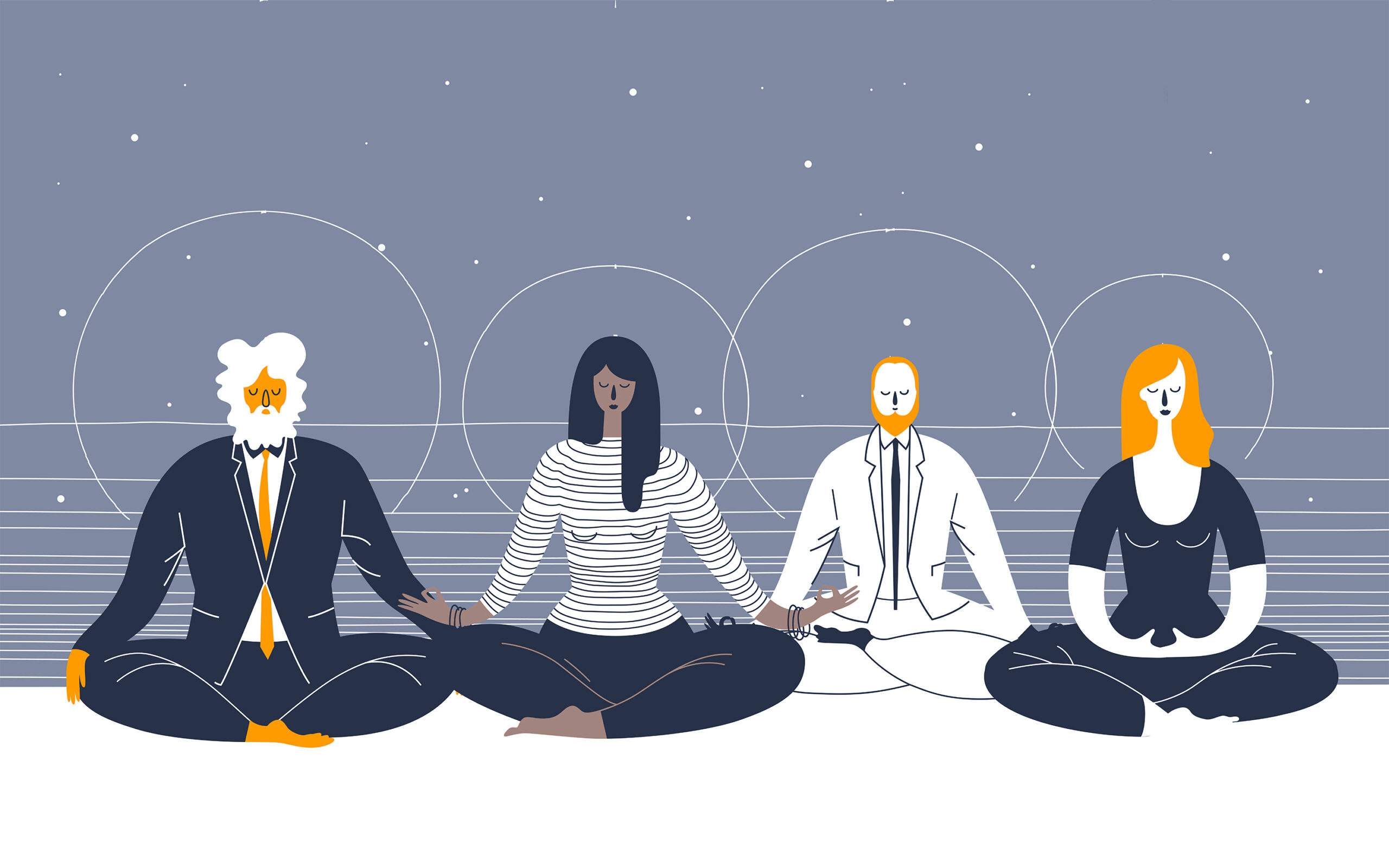
Mindfulness grounds you in the present, and meditation calms your mind to give you relief from stress. The combination makes for a powerful civil pairing to help keep you mentally straightened out and relaxed.
How to get started:
Spend a few minutes a day noticing your breath.
Or try app-guided meditations like Calm or Headspace.
Cultivating gratitude by writing down the things you’re grateful for daily.
Mindfulness and meditation don’t take hours out of your day — they’re about finding a minute of peace in the turmoil.
Nurture Kind Connections

Humans are social animals; meaningful relationships are critical to mental health. Friends and family provide a support system, and help us get through difficult times.
How To Strengthen Relationships: Tips
Spend time with your family, at least through a virtual medium.
Ask how they’re doing to show you care.
Other people, have toxic or draining dynamics, so you put some distance on that too.
Being in an environment of love, acceptance and support ensures a higher degree of belonging when interacting with others, as well as when viewed in the perspective of happiness.
Stay Physically Active
Exercise isn’t just good for your body — it’s a potent tool for mental health. Physical activity releases endorphins, often known as “feel-good” hormones, which enhance mood and lower stress levels.
Ways to stay active:
Take a stroll, jog, or bike in your local park.
Do fun workouts, such as dance or yoga classes.
Embed stretching and moving intervals in your work or study schedule.
Pick and choose things that you like to do, so you don’t feel like working out is just a chore and instead more time to yourself.
Get Quality Sleep
The relationship between sleep and mental health is deep. Not sleeping poorly can exacerbate anxiety and depression, in contrast to quality rest that refreshes your mental and physical self.
Tips for improving sleep:
Follow a regular sleep schedule, even on weekends.
Reduce screen exposure at least one hour before bed.
Establish a relaxing pre-bed routine, such as listening to calming music or reading.
When you prioritize sleep, you’re setting yourself up to better handle daily stresses and stay motivated.
Eat a Balanced Diet
Your diet not only affects your physical health but also your mood. Healthy food are energy boosters for your brain and help balance energy levels.
Food can also help you think well:
Add in omega-3 fatty acid-rich foods like salmon and walnuts.
You have to eat colorful fruits and vegetables with a lot of antioxidants.
Minimize sugary snacks and processed foods that cause energy crashes.
Staying well-hydrated is key as well—it keeps you alert and focused all day long.
Know When to Seek Help
If your mental health is struggling, you can reach out for professional support. Therapy or counseling are essential tools to learn how to process emotions, strengthen relationships, and better manage hardship.
Tips for seeking help:
Find a trusted friend or family member to share with; they can help you take that initial first step.
Look for resources such as helplines, community programs or workplace employee assistance plans.
Know that asking for help is a strength, not a weakness.
When we break the stigma surrounding mental health, we can claim a world where it is okay for everyone to seek care if and when they need it.
Go on Hobbies and Exercises
Hobbies aren’t just fun — they’re a vital mental health maintenance tool. Doing what you enjoy helps you to unwind, be creative, and detach from stress.
Ideas for hobbies:
Experiment with art, music, gardening, or cooking.
Get involved and join a social group with limited engagement outside shared interests, such as book clubs or sports teams.
Try an activity you’ve never done before: pottery, for instance, or a new language.
Carve out time for what you love, because finding time for what you love helps balance the demands of life with joy.
Manage Stress Effectively
Stress is inevitable, but the way you cope with it determines its role in your life. It’ll help learn healthy ways to cope so that it doesn’t overwhelm you.
Stress management tips:
Make large tasks, small and controllable steps
It is said to practice deep breathing or grounding exercises to remain calm.
Focus on what you can control, and make peace with what you cannot.
Becoming resilient takes a while but makes you strong enough to take on any challenge.
Final Thoughts
Taking care of your mental health is a lifelong journey — a rewarding one at that. These ten tips for mental wellness are simple and practical. When integrated into your daily life, they help build resilience, lower stress, and promote a sense of well-being.
And remember, you’re not the only one going through the ups and downs of life. No, if you need a little extra support, call a trusted resource or loved one.
Start small, but be gentle with yourself, and remember that every tiny step you take is a step toward a healthier mind.